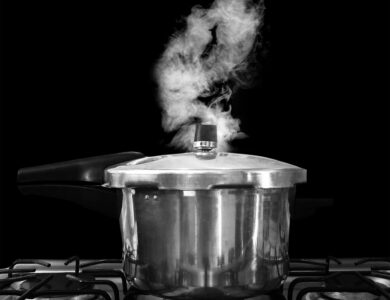
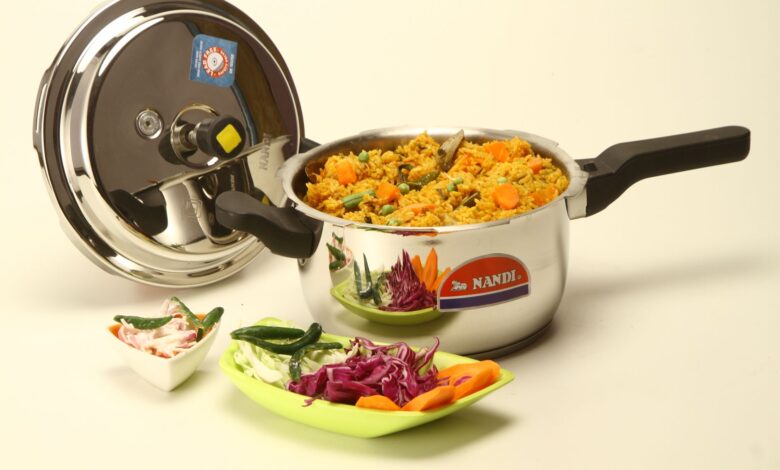
Food-grade silicone pressure cooker gaskets typically last two to three times longer than nitrile rubber ones because silicone resists the thermal aging and oil absorption that hardens rubber over repeated heating cycles. The trade-off is that rubber seals often provide a tighter initial fit due to higher compression force, which can make them feel more secure when new despite their shorter functional lifespan.
Making the right choice requires matching material properties to your specific cooking frequency and maintenance habits rather than assuming one type suits every household. Safety standards like IS 7466 pressure cooker specifications validate both materials for domestic use, so longevity depends more on how each elastomer responds to the acidic ingredients and thermal cycling typical of Indian kitchens than on certification alone.
Silicone vs rubber pressure cooker gasket which lasts longer under daily use
Food-grade silicone gaskets maintain elasticity across thousands of heating cycles because their siloxane backbone does not oxidize or cross-link at standard cooking temperatures up to 230°C. This chemical stability means silicone rings resist the permanent compression set that causes rubber gaskets to flatten and leak after twelve to eighteen months of regular dal or sambar preparation.
Nitrile rubber gaskets conform better to lid imperfections when new due to higher durometer ratings and greater compressive force against the sealing surface. This mechanical advantage creates reliable seals initially but accelerates fatigue as plasticizers migrate out of the elastomer matrix during exposure to hot oils and acidic tamarind-based gravies common in Indian cooking.
Buyers who cook daily typically replace rubber gaskets every twelve to fifteen months while silicone equivalents function reliably for thirty-six months or more under identical conditions. The higher upfront cost of silicone amortizes across this extended service life, making it economically superior for households where the pressure cooker operates multiple times per week rather than occasionally.
Material degradation mechanisms explained
Rubber gaskets fail primarily through plasticizer loss and oxidative cross-linking that increases hardness and reduces elastic recovery after compression. Each heating cycle drives volatile compounds out of the elastomer while oxygen attacks polymer chains, creating microscopic cracks that propagate until steam leakage becomes unavoidable regardless of how tightly the lid is fastened.
Silicone degrades through different pathways involving hydrolytic cleavage of siloxane bonds when exposed to sustained high-pressure steam above 150°C for extended periods. This mechanism progresses far more slowly than rubber oxidation under normal domestic cooking conditions, which is why silicone maintains seal integrity through years of thermal cycling that would destroy nitrile elastomers.
The Hawkins gasket care guidelines document how oil absorption accelerates rubber degradation specifically in Indian cooking contexts where tempering spices release lipids that penetrate the elastomer matrix. Silicone’s non-polar molecular structure repels these oils, preventing the swelling and softening that compromises rubber seals during prolonged contact with fatty curries and fried preparations.
Safety implications of gasket material choice
Both silicone and nitrile rubber meet IS 7466 safety requirements when manufactured to specification, but they fail differently when degraded beyond functional limits. Rubber gaskets typically develop visible cracks and lose elasticity gradually, providing tactile and visual warnings weeks before complete seal failure occurs during pressurization.
Silicone gaskets tend to fail more abruptly through tearing or deformation rather than progressive hardening, offering fewer advance indicators that replacement is imminent. This difference means silicone users must adhere to preventive replacement schedules based on time or usage counts rather than waiting for obvious physical deterioration signals that rubber provides naturally.
The safety margin for both materials depends critically on proper lid alignment and vent clearance maintenance regardless of elastomer selection. A worn gasket of either type combined with blocked steam pathways creates identical overpressure risks, making regular inspection of mechanical components equally important whether you choose silicone longevity or rubber’s gradual failure mode.
Cleaning and maintenance differences
Silicone gaskets tolerate dishwasher cleaning and mild alkaline detergents without chemical degradation, allowing thorough removal of absorbed odors and spice residues between uses. This cleanability prevents flavor transfer between sweet and savory preparations while maintaining material properties that rubber loses when exposed to harsh cleaning agents repeatedly.
Rubber gaskets require hand washing with neutral pH soap because alkaline dishwasher detergents accelerate plasticizer extraction and surface cracking. The extra maintenance effort compounds over hundreds of cleaning cycles, and incomplete odor removal from porous rubber can taint delicate dishes even when the gasket remains mechanically functional.
Storage conditions affect rubber more severely since prolonged compression in closed cookers accelerates permanent deformation even without heat exposure. Silicone recovers its shape after months of storage compression, making it better suited for households where pressure cookers sit unused for extended periods between seasonal cooking sessions or festival preparations.
| Property | Nitrile Rubber | Food-Grade Silicone |
|---|---|---|
| Typical Lifespan | 12–18 months | 36+ months |
| Max Temperature | ~150°C continuous | ~230°C continuous |
| Oil Resistance | Moderate (absorbs lipids) | High (repels oils) |
| Failure Mode | Gradual hardening/cracking | Abrupt tearing/deformation |
Choosing the Right Gasket for Your Cooking Pattern
Silicone gaskets deliver superior longevity and easier maintenance for households using pressure cookers multiple times weekly with diverse recipes including oily curries and acidic preparations. Rubber gaskets remain viable for occasional users who prioritize lower initial cost and accept more frequent replacement as part of routine kitchen maintenance rather than unexpected failures.
Verify manufacturer compatibility before switching materials since lid groove dimensions and compression tolerances differ between elastomer types even within the same cooker model. Installing mismatched gaskets compromises safety regardless of material quality, so always source replacements specified for your exact pressure cooker variant rather than generic alternatives marketed as universal fits.
Frequently Asked Questions
Can I use a silicone gasket in a pressure cooker designed for rubber?
Only if the manufacturer explicitly lists silicone compatibility for your specific cooker model and lid design. Dimensional tolerances differ between elastomers, and improper fit creates dangerous steam leakage regardless of material quality or certification status.
How do I know when my pressure cooker gasket needs replacement?
Replace rubber gaskets showing visible cracks, permanent flattening, or steam leakage during pressurization attempts. Silicone gaskets require time-based replacement every three years since they lack obvious visual wear indicators before sudden failure occurs.
Does gasket color indicate material type or quality level?
Color indicates neither material composition nor quality; manufacturers dye both silicone and rubber various colors for branding purposes only. Verify material through packaging specifications or supplier documentation rather than assuming color correlates with performance characteristics or safety certifications.
Why does my new rubber gasket smell strongly of chemicals?
New rubber gaskets emit volatile organic compounds from manufacturing residual solvents and unreacted curing agents that dissipate after several heating cycles. Persistent strong odors beyond five uses indicate substandard material or contamination; discontinue use and source certified replacements meeting IS 7466 requirements.